A supervised sequence for moving day
Moving house with babies and young children: plan the room order
The main control is not a promise to preserve every normal routine. It is a clear record of which adult is with each child, which route the removal team is using, and which room is safe to release at each stage.
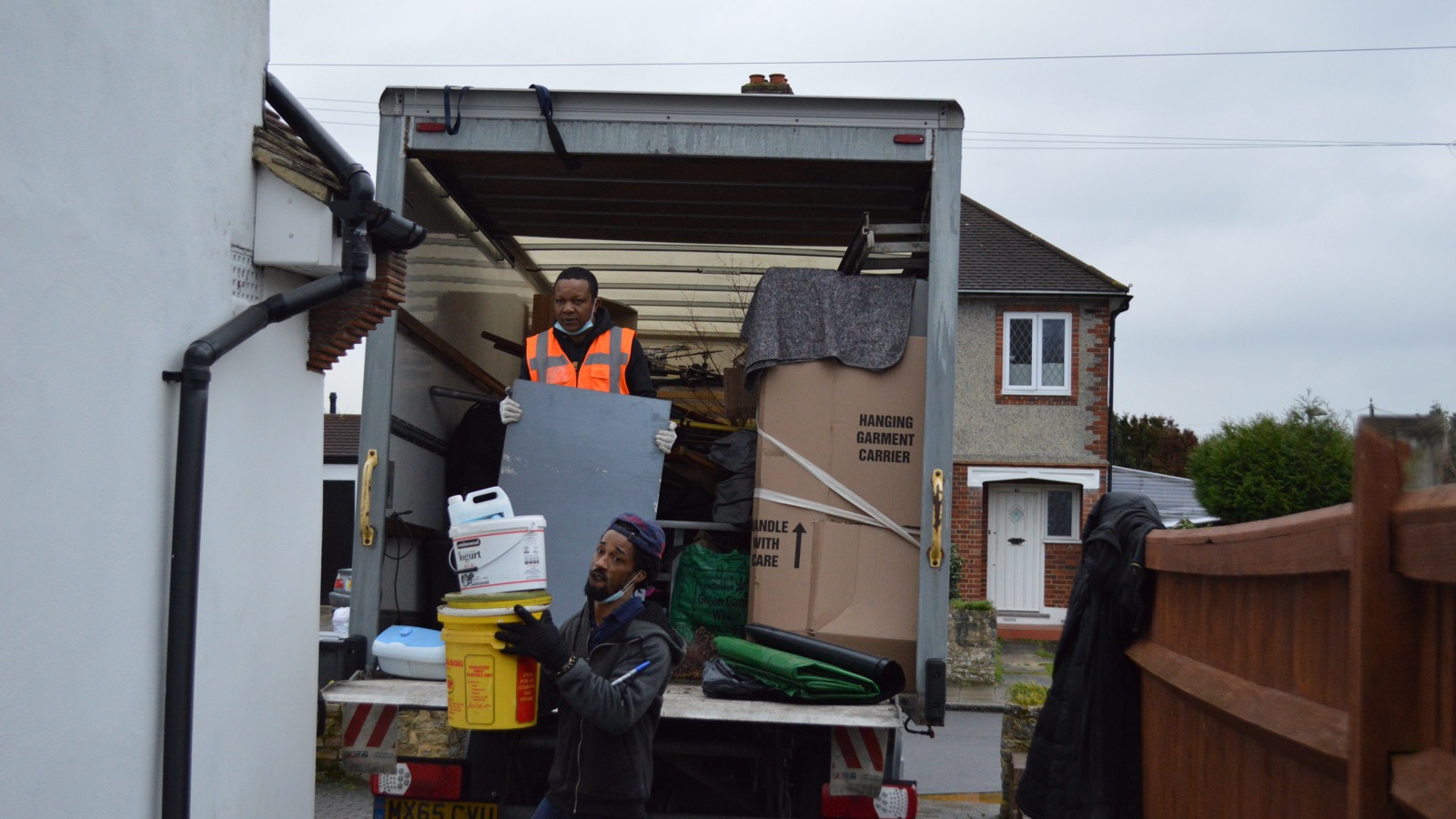
At a glance
What this guide helps you organise
- Keep a child supervision record separate from the inventory, packing and vehicle plan.
- Name the responsible adult and a fallback for every origin, travel and destination handover.
- Protect one child space at each address and keep the active carrying route outside it.
- Change room status only after the responsible adult or moving lead has completed the stated check.
- Set up the destination sleep and care space against current NHS guidance before releasing it.
Two records, one move
Separate the child plan from the removal plan
An item inventory tells the moving team what must travel, but it cannot show who is supervising a child or whether a room is ready for them.
Create two short records before moving day. The removal record covers addresses, access, rooms, large items, boxes, dismantling, parking, lifts and the agreed service. The child record covers the responsible adult, current child location, permitted handover, travel method, protected space and next check time. Keep the records beside each other, but do not bury the child handover inside a long inventory note.
This article does not replace the existing 48 hour moving essentials kit. That guide controls keys, medicines, personal bags and an opening crate. The method here controls people and room status. A bag can be ready while the room is unsafe, and a room can be ready while the responsible adult is still at the other address.
Start with four named controls: one adult owns the child record, one moving contact speaks to the crew, one person controls keys or authorised entry, and one person confirms the destination space. A person may hold more than one role only when that is workable for the real family. Write names and telephone numbers in the private record, not on an outside box label.
| Control | What it answers | Release evidence |
|---|---|---|
| Child record | Who is supervising each child now? | Named adult confirms location and next handover |
| Moving contact | Who gives the crew the current instruction? | One agreed contact holds the current move record |
| Entry | Who can lawfully open the destination? | Keys or other permission are confirmed |
| Ready space | Who has checked the child space? | Named adult changes the room to READY |
Supervision ownership
Name every adult handover before loading starts
Saying that the family will keep an eye on the children leaves the most important moving day responsibility without an owner or a time.
Write one line for the old address, one for the journey and one for the destination. Each line needs the child or children covered, the responsible adult, the location, the planned start, the planned finish and the fallback if the next person is late. The adult taking responsibility confirms the handover directly. A message sent to a group is not the same as an accepted handover.
The removal team is not a childcare arrangement. The moving contact needs to answer route, item and access questions without leaving a baby or young child unsupervised. If one adult is managing the household, arrange a suitable caregiver or keep the child away from the active property while handling takes place. When that cannot be done safely, stop and revise the sequence instead of expecting the crew to work around an undefined supervision gap.
Use the clear booking records guide for one current move message. Add only the operational fact the moving team needs, such as CHILD SPACE OCCUPIED or CHILDREN OFF SITE. Keep names, medical details, school details, door codes and private family arrangements in the customer held record. The moving contact can then give a simple route instruction without disclosing unnecessary personal information.
Minimum handover line
- Child or group covered and the adult accepting responsibility.
- Exact address or agreed off site location.
- Start time, next handover time and fallback contact.
- Travel method and current child restraint plan where a car is used.
- Any room or route that must remain closed to moving work.
Origin, route, destination
Protect two child spaces and one working route
The useful layout is one supervised child space at the origin, one checked space at the destination and a carrying route that never runs through either space.
At the old address, choose a room or off site location that will not be packed, dismantled or used as a shortcut while the child is there. It must not block the normal exit. Keep loose boxes, tools, wrapping, cords, cleaning products and small parts outside it. If the only available room lies on the carrying route, treat that as no protected room and arrange for the child to be elsewhere.
At the destination, choose the first space that can be made usable without crossing the active unloading route. The room should have working light, a clear floor, usable ventilation, accessible door keys where relevant and no stack of unstable boxes. READY means the responsible adult has checked it for the actual child. It does not mean the whole home is unpacked.
Between those spaces is the working route from vehicle to rooms. Men With Van's current terms require children and other people to stay away from active loading areas. Use a closed door, adult supervision and a direct briefing, not a handwritten sign alone. If the child must cross the route, the moving contact asks the crew to pause in a safe position before the crossing begins.
Share the route, floor levels, stairs, lifts, long carries and parking facts through the House Removals London service page. The room plan does not grant permission to stop a vehicle, use a communal hall or reserve a lift. Those access controls remain part of the main move plan.
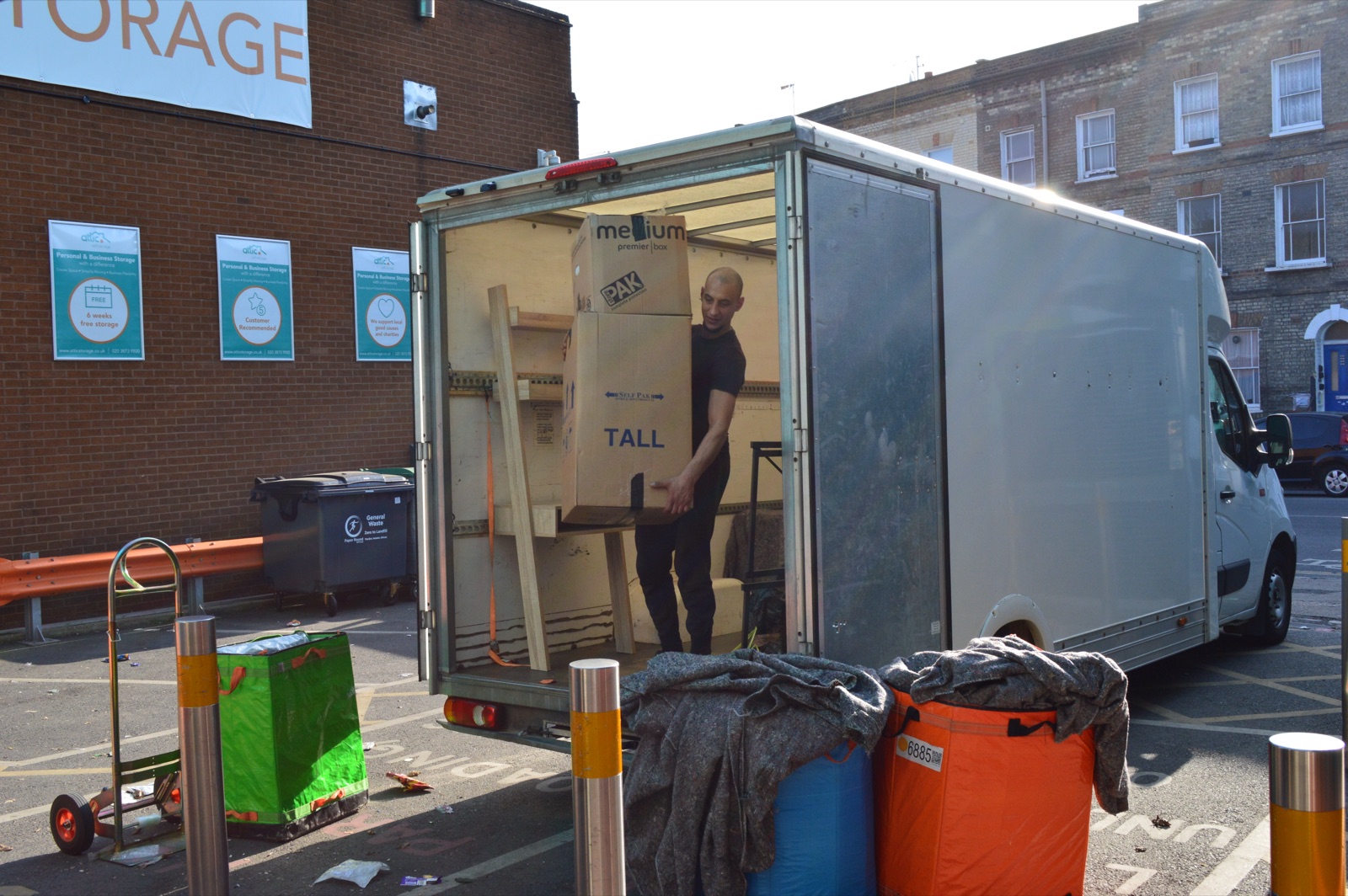
One status board
Control room order with five visible states
A room name is not enough because the same bedroom can be occupied, packed, worked in, cleared and then rebuilt at different times.
Give every room one current state. Use CHILD SPACE only while a named adult is supervising there and no moving work is permitted. Use SEALED when agreed packing is complete and nobody should reopen the room without telling the moving contact. Use CREW ACTIVE while items are being handled. Use CLEARED when the moving lead has finished the agreed collection. Use READY only at the destination after the child check is complete.
| State | Who controls it | What may happen | What ends the state |
|---|---|---|---|
| CHILD SPACE | Responsible adult | Supervised family use only | Child leaves and adult releases the room |
| SEALED | Moving contact | No casual reopening | Moving contact releases it to the crew |
| CREW ACTIVE | Moving lead | Agreed moving work | Lead confirms work has stopped or finished |
| CLEARED | Moving contact | Customer checks agreed collection | Address is handed over |
| READY | Responsible adult | Supervised child use | A new hazard or route change cancels release |
Adult-only worksheet
Download a blank room and route plan
Use this CSV only for operational room and route status. Record room labels, adult role labels, release evidence and fallback actions. Keep child names, dates of birth, health or care details, school information, home addresses, telephone numbers and access codes out of the file and in the family's appropriate private record.
Record the states on a small private board or shared note that the responsible adults and moving contact can read. Do not put a child's name on the front door. A simple room name and state is enough for the operational board. If agreed packing support is part of the booking, the Packing and Moving Services London page explains how rooms, materials and booked time are planned.
Room order now follows evidence rather than a generic promise to pack a nursery last. The origin child space is released only after the child has left it. The destination room becomes ready only after access, floor, furniture, sleep space and immediate hazards have been checked. A change in either address can change the order.
Passenger journey
Plan the children's journey separately from the removal load
A removal vehicle schedule does not confirm a lawful passenger journey, a suitable child restraint or the adult who will complete the destination handover.
Write the family journey as its own route. Confirm the passenger vehicle, driver, responsible adult, child restraint, departure point, planned arrival point and the person who can open the destination. Do not assume that a removal booking includes passenger transport or that a family car can follow, stop beside or arrive before the removal vehicle.
GOV.UK child car seat guidance says children must normally use a child car seat until age 12 or 135 centimetres tall, whichever comes first, and the seat must suit the relevant height or weight rules. Follow the seat and vehicle manufacturer instructions. Keep the restraint available for the child's journey rather than loading it into household goods before travel is complete.
The Highway Code also places responsibility on the driver for required restraints for children under 14. Build enough time to fit and check the seat before the moving route becomes active. Loading pressure is not a reason to improvise a restraint, place a rear facing seat before an active frontal airbag or use a side facing seat.
At arrival, the adult with the child does not enter the working route until the destination contact confirms where to go. If the ready space is late, keep the child with the responsible adult in the planned fallback location. A vehicle, pavement, communal lobby or partly unloaded room is not automatically a suitable waiting space.
Release the room
Check the destination space before calling it ready
A familiar toy or labelled box can help later, but it cannot clear a stair, secure a blind cord or remove cleaning products from reach.
Walk the room and its access route from an adult and child height. The current NHS baby and toddler safety guidance highlights loose cords, unsecured stair access, low furniture near windows, medicines, cleaning products and trip hazards. Check the actual room rather than assuming the safety arrangements from the previous home transferred with the furniture.
Keep the floor clear enough for the adult to move while carrying or supervising a child. Put baby car seats and bouncing cradles on the floor, not on a worktop or a stack of boxes. Keep medicines and cleaning products out of reach and sight. Confirm that any existing safety gate is suitable, correctly installed and able to close after people pass through it. The removals article cannot certify a safety product or replace its manufacturer instructions.
Protect the normal escape route as well as the moving route. London Fire Brigade home escape guidance says the normal way in and out should form the main route and households should plan a second route. Do not create a child space by stacking boxes across a hall, hiding door keys or blocking the only exit.
Change the room to READY only after the responsible adult has completed the check and the moving lead has released the nearby route. If another delivery, dismantling task or furniture placement restarts work through that area, return the room to HOLD until the route is quiet and checked again.
Next use, not perfect routine
Rebuild sleep and care functions in next use order
The destination does not need to look finished, but the next sleep, feed, wash and clothing change each need a usable place and a responsible adult.
Write the next expected use time for each care function. Decide which room and which adult will support it, then make that small area ready before general unpacking spreads through the home. This is room sequencing, not a promise that a baby's or young child's normal routine will be unchanged by the move.
For a baby sleep space, follow current NHS safer sleep guidance. The NHS says the safest place for a baby to sleep for the first six months is in a cot, on their back, in the same room as the adult, and advises a clear sleep space with a firm, flat, waterproof mattress. A removal team placing or reassembling agreed furniture does not replace the responsible adult's sleep setup check.
For feeding or washing, identify a clean usable surface, running water where required and the household's normal equipment. Keep bottles, small parts, cords, cleaning products and hot items outside the moving route and under adult control. Follow current NHS or clinical advice for the child's actual feeding needs rather than using a removals checklist as health guidance.
Use the family essentials custody method for the items and their owners. Use this room plan for where those items may be opened. An essentials bag should not be unpacked on the stair, at the vehicle tail, in a shared lobby or in a room still marked CREW ACTIVE.
Three control points
Run three release checks during the move
The child plan stays current only when the named people confirm origin release, passenger departure and destination release at the moment each change occurs.
| Control point | Adult confirms | Moving contact confirms | If not ready |
|---|---|---|---|
| Origin release | Child has left the protected space | Room may enter the moving sequence | Keep room closed to work |
| Passenger departure | Child, restraint, bags and fallback are present | Family journey is separate from vehicle instructions | Pause departure and resolve the missing control |
| Destination release | Child space has passed the room check | Nearby carrying work has stopped | Use the fallback location |
Use an exact time and status, not almost ready. The adult can say ORIGIN RELEASED at 10:20, DEPARTED at 10:35 or DESTINATION HOLD at 12:10. The moving contact records only what affects the route. The private child record holds the names and family details.
If key release or legal completion delays entry, follow the completion day delay decision guide. If vehicle access changes, open the London moving day parking article. Keep the child with the responsible adult and outside the active load while the customer and Men With Van review any change to access, time, resources or scope.
A child's needs can cancel the planned sequence. If the responsible adult must leave, the protected room becomes unsuitable, the travel plan changes or a new hazard appears, return the affected status to HOLD. No daily publication, moving schedule or room label is more important than correcting that control.
Quote and move record
Send one operational handover before the booking is final
Men With Van needs the move facts that affect rooms, routes and timing, while the family retains private supervision and care information.
Send the full addresses, floor levels, stairs, lifts, parking position, carrying distance, room inventory, large items, dismantling needs, agreed packing scope and the destination room labels. Add the simple operational controls: where the child space will be, when it is expected to be released, who is the single moving contact and whether the family journey is separate.
Do not ask the crew to supervise children, fit a child car seat, decide a safe sleep arrangement or hold medicines and personal documents. Keep those responsibilities with the appropriate adult and follow the current public or professional guidance for the family. Men With Van can review the removal sequence and agreed service only from the information supplied.
Use the packing service page when packing support and room labels are required, and review the moving day FAQ for items that should normally remain with the customer. Before payment, add the current record to the quote and obtain a response from Men With Van on each access, timing or room state marked UNKNOWN.
Final handover test
- One moving contact holds the current route and room states.
- Each child has a responsible adult at origin, during travel and at destination.
- The origin child space does not sit on the active route or block an exit.
- The destination room has an adult owner and a stated READY test.
- Unknown access, timing or service questions are marked for review rather than guessed.
Sources and checks
Current NHS, GOV.UK and London Fire Brigade guidance
Child safety, travel and sleep guidance can change and individual needs differ. Check the current official page, product instructions and relevant professional advice for the real child and home.
- NHS Best Start in Life: safer sleep advice for babiesChecked 21 August 2026
- NHS: baby and toddler safety in the homeChecked 21 August 2026
- GOV.UK: child car seats and booster seat lawChecked 21 August 2026
- GOV.UK Highway Code: seat belts and child restraintsChecked 21 August 2026
- London Fire Brigade: escape plans for houses and converted flatsChecked 21 August 2026
Common questions
Questions about moving with babies and young children
Should babies and young children be at home while movers work?
Keep children away from active loading and carrying routes. Use a supervised protected space only when it is genuinely separate and safe; otherwise arrange a suitable off site caregiver or revise the moving sequence.
Which room should be packed last when moving with children?
There is no universal room. Keep the supervised child space outside the moving route, then release it only after the child has left and the responsible adult confirms that moving work may begin.
Can the removal team supervise a child during loading?
No. Give each child a responsible adult or suitable caregiver. The moving contact must remain able to answer route, item and access questions without leaving a child unsupervised.
Should a child car seat go in the removal vehicle?
Keep the required child restraint available for the passenger journey and follow the current law plus seat and vehicle instructions. Do not load it as household goods before the child's travel is complete.
When should the baby's sleep space be set up?
Make it ready before the next expected sleep, but release it only after the responsible adult has checked the room and setup against current NHS safer sleep guidance.
Is this the same as a family moving essentials kit?
No. The essentials kit controls the custody of items such as keys, medicines and day bags. This plan controls adult responsibility, active routes and when a room is safe to use.
Keep supervision separate from handling
Share the room and route plan while the family controls every child handover.
Give Men With Van the addresses, access, inventory, packing scope, room states and one moving contact. Keep supervision, passenger travel, care details and the final child space check with the appropriate adult.