Managed building access
How to book a service lift for a London flat move
A lift being present is not the same as a lift being approved for removals. Confirm the building procedure, exact lift, time window, loading route, protection, access controls and fallback, then send one written handover to the moving team.
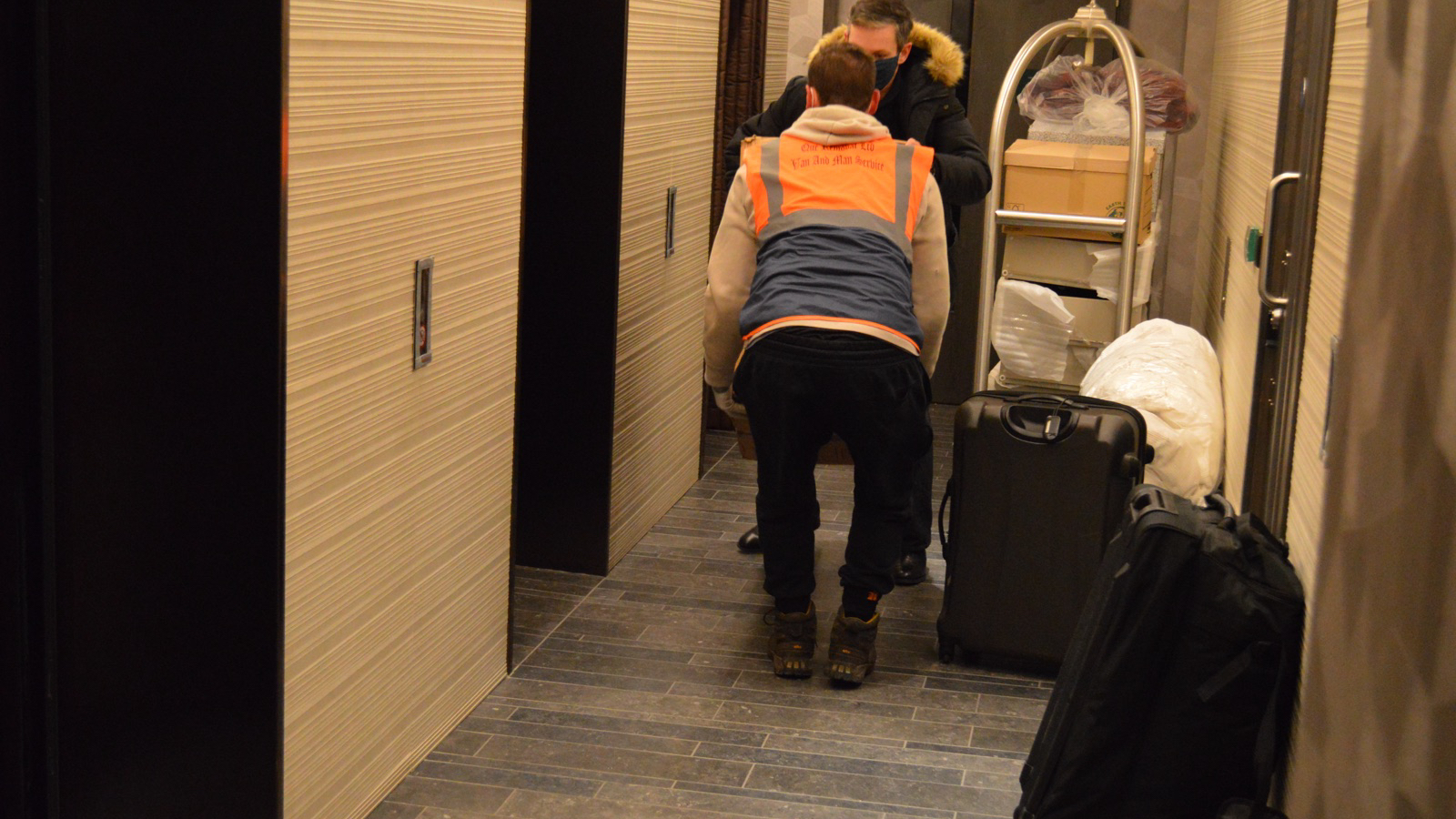
At a glance
What this guide helps you organise
- Ask the building contact for its current move procedure instead of assuming that a visible lift can be used.
- Reserve a named lift and time window, then record access controls, dimensions, capacity and protection instructions.
- Match the lift booking to the loading bay, service entrance, parking permission and route through the building.
- Give the mover the largest item dimensions and every route restriction before the team and booked time are confirmed.
- Reconfirm the lift shortly before the move and agree what happens if the building changes or cancels the access.
Start with authority
Find the person who can approve the move
The useful first question is not whether the building has a lift. It is who controls removal access and what that person needs before giving written approval.
Ask the landlord, letting agent, estate office, concierge or managing agent who handles move bookings. The answer can be different at pickup and delivery. Record the contact name, email, telephone number and the hours when that person is available. If a resident portal or form is required, ask for the current link rather than relying on an old message from another resident.
Request the full move procedure and your lease or resident handbook rules that apply to removals. One managed estate may use a porter, another may use a facilities desk, and another may not allow furniture in its passenger lifts at all. The Barbican Estate moving guidance, for example, tells residents to contact a car park attendant or lobby porter about removal times, van parking and height restrictions. That is useful evidence that building rules can be specific, not a rule for every London block.
Men With Van places parking arrangements, private loading access, concierge consent, lift reservations and the building's rules with the customer before moving day. The current booking FAQ states that responsibility clearly. If the building will speak only to the leaseholder or named resident, keep that person involved until the written approval is complete.
Get the complete rule
Ask for the whole building procedure in writing
A lift time alone can leave the van outside a locked gate or the movers at the wrong entrance, so collect the full route as one connected instruction.
Ask whether moves must use a service entrance, loading court, basement, car park or reception. Confirm any vehicle height, length or registration rule, gate code process, fob collection, contractor sign in, identification request and named person who will release the lift. Ask whether the building wants removal company details, an inventory, insurance evidence or a refundable protection deposit. Do not promise a document or payment until the building has actually requested it.
| Decision | Written answer to obtain | What the mover needs |
|---|---|---|
| Approval | Booking reference and named contact | Who can resolve access on the day |
| Time | Start, finish and arrival rules | Usable loading time, not only the slot label |
| Route | Van position, entrance, lift and floor | The complete carry from vehicle to flat |
| Controls | Fobs, keys, permits and sign in | What must be collected before unloading |
| Protection | Who supplies and installs approved protection | Materials the team may or may not use |
| Fallback | Procedure if the lift or bay is unavailable | When to pause and whom to call |
Save the procedure with the booking reference. A telephone conversation can help, but the final instructions should be readable by the resident, concierge and removal team without depending on memory.
Name the equipment
Reserve the right lift and a usable time window
Do not call every lift a service lift. Ask the building which exact lift is approved for furniture and how it will be placed into removal mode.
Record the lift name or number, the floors it serves and whether staff must activate it. Ask who fits protective curtains, who holds the control key and whether the lift remains shared with residents. City of London estate management service levels describe staff controlling removal contractors' use of lifts and arranging protective curtains when requested. Treat that as one real procedure, not a promise that another building provides the same help.
Check whether the booking window includes setup and removal of protection, contractor sign in and travel between the loading area and the flat. A two hour label may provide less than two hours of moving time if access opens late or must be cleared before the slot ends. Ask whether the van can arrive early and where it may wait lawfully. Never use a loading bay as an assumed waiting area.
The HSE guidance on passenger and combined goods and passenger lifts distinguishes lifts used by people at work from other passenger lifts and says that a business operating or controlling a lift may still have responsibilities for user safety, maintenance and inspection. For a move, follow the building operator's instructions, displayed capacity and access controls. Do not force doors, override a control or improvise a hold open method.
Survey the carry
Measure the complete route, not only the lift car
The tightest point may be the loading bay gate, a fire door, the lift opening, a corridor turn or the flat entrance rather than the inside of the lift.
Ask the building for the clear lift door width and height, internal width, depth and height, displayed capacity and any item restriction. Measure the largest rigid items that will travel through the building. Give the removal team the sofa length, mattress size, table top size, appliance dimensions and any panel that cannot be folded. Photographs of the lift entrance, car, corridor turns, thresholds and service door can make the written measurements easier to understand.
Follow the route from the approved vehicle position to the room where items begin or end. Record ramps, kerbs, slopes, steps, door closers, narrow turns, low ceilings, uneven surfaces and the distance between stages. Confirm whether a trolley is allowed, whether wheels need to be non marking and where temporary floor protection may be placed. Do not plan to leave goods in a shared corridor while the lift cycles.
Keep this survey focused on access. A later furniture decision may still be needed if an item cannot pass through the route. The flat removals service page asks for lift size, corridor length, floor, concierge rules, loading distance and time slots because those details can change the team and time required. If the largest item is close to any opening, tell Men With Van before booking rather than testing it under time pressure on the day.
Give usable facts
Match the access plan to the items and removal team
A lift reservation is most useful when the mover knows what must travel through it, how far it must be carried and where handling equipment can be used.
Send a room by room item list and identify the largest, heaviest, fragile and awkward pieces. Mark furniture that is already dismantled, furniture that may be suitable for agreed dismantling and anything that must remain upright. Do not invent a weight. Use a manufacturer label or reliable product information when available, and say when the weight is unknown.
HSE says a manual handling assessment should consider the task, load, working environment and individual capability. Its assessment guidance specifically points to carrying distance, frequency, load characteristics, cramped space, floors, lighting and the availability of handling equipment. The customer does not perform the removal company's worker assessment, but accurate access and item information gives the company facts it needs for that assessment.
The HSE page on reducing manual handling risk also identifies mechanical help, shorter carrying distances, more space and realistic work rates as useful controls. That is why a usable lift, clear corridor and permitted trolley route matter. Share the details before the crew size and booked hours are settled. A London removal company plan should reflect the actual route, not only the number of rooms.
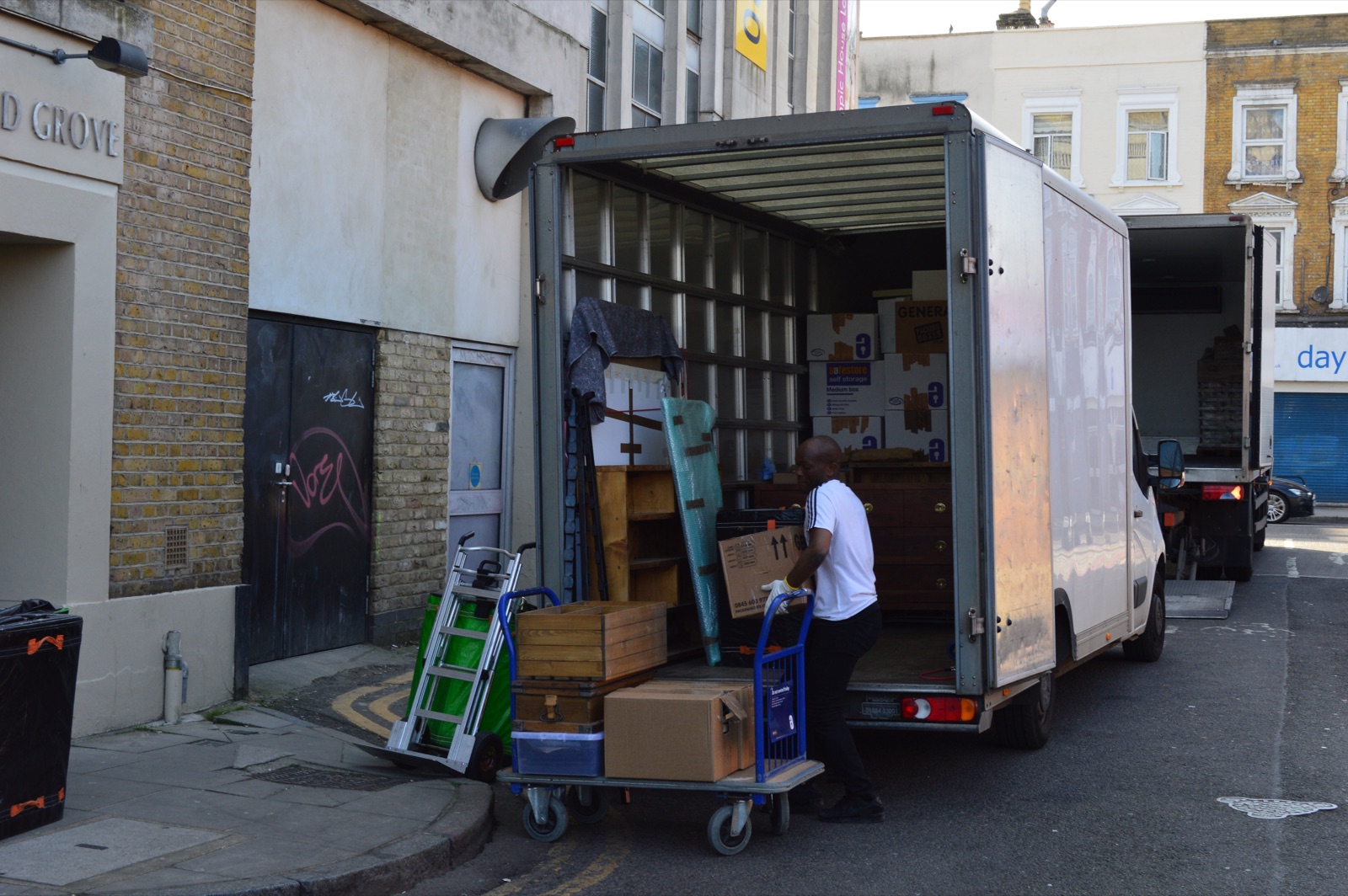
Respect shared space
Protect communal areas without blocking escape routes
Protection should follow the building's method while doors, stairs and corridors remain available for residents and emergency use.
Ask which party installs lift curtains, floor sheets, corner guards or door protection, when it will be installed and when it must be removed. Use only methods the building accepts. Do not tape material to a finish without permission, cover a safety sign, interfere with a sensor or wedge a lift or fire door open. Report existing damage before loading and photograph agreed protection when the building permits it.
The current GOV.UK guide for people with fire safety duties says the common parts of blocks of flats fall within the Fire Safety Order, escape routes must be kept clear and self closing fire doors should be kept shut when not in use. Keep boxes and dismantled parts inside the flat or in an approved loading area until the team is ready to move them. Never build a waiting stack across a corridor, stair or exit.
Ask about quiet hours, residents who need continuous lift access, refuse collection times and any rule limiting how many people or trolleys can be in the route. Assign one person to coordinate with concierge so the building receives clear updates without every mover leaving the task. If the route cannot remain safe and clear, pause the movement and ask the building contact for a workable instruction.
One connected window
Synchronise the lift, loading bay and road access
The lift slot and van position need a useful overlap. Approval inside a building does not grant permission to stop on the public road outside it.
Write the approved van position, entrance and lift on one route note. Include the loading bay start and finish, lift start and finish, vehicle registration rule, height limit, gate procedure and carrying distance. If the loading area serves refuse vehicles, deliveries or other residents, ask whether the building can change the slot and how it will notify you.
For the public road, start with the dedicated guide to London moving day parking, then identify the authority and permission that applies. The London Councils loading guidance says restrictions and time limits still matter and a vehicle should move when loading is complete. Private concierge approval does not suspend a council bay, yellow line or red route control.
Give the building the planned vehicle details only after the removal company confirms them. If the building needs a registration and the assigned van changes, update the approval before arrival. Share any basement height, turning or reversing restriction with the driver. HSE workplace transport guidance highlights the need for safe loading areas and separation between vehicles and pedestrians. Follow the site's marked route and staff direction instead of choosing a shorter unapproved path.
Make it usable
Send one service lift handover to the moving team
Turn emails, forms and photographs into one short record so the crew can understand the approved route before reaching reception.
Put the property address, flat number and move date at the top. Name the resident who holds the approval and the building contact who will be present. Add the booking reference, exact slot, arrival instruction, sign in point, approved lift, loading position and every key, fob or permit step. Attach the building's original confirmation rather than rewriting a condition from memory.
- Building contact name, telephone number and staffed hours
- Move date, arrival time, lift slot and required finish time
- Approved vehicle position, service entrance and internal route
- Lift name, floor, clear opening, internal dimensions and displayed capacity
- Fob, key, permit, registration and contractor sign in process
- Protection supplied by the building or approved for the mover
- Largest items, known dimensions and agreed dismantling notes
- Trolley permission, stairs, slopes, thresholds and carrying distance
- Written fallback if the lift, bay or concierge becomes unavailable
Send the pack early enough for the removal company to question anything unclear. Men With Van may need to update the route, team, equipment or booked time if the confirmed access differs from the quote. Link the pack to the same booking record used for the Men With Van quote, and send a revised version if the building changes a condition.
Reusable handover
Download the fillable building access handover
Use the same clear structure for every managed address while keeping each building's actual instructions separate.
Download the 2026 building access and service lift handover as a fillable PDF. The two page form records the property, approval owner, building contact, slot, exact lift, access controls, loading position, route dimensions, largest item, protection rules and written fallback.
If the PDF is not practical with your device or assistive technology, copy the core fields from the checklist above into an email or document. Record how a key, fob or code will be collected, but do not put door codes, alarm details, identity-document numbers or payment information in a shared handover. The ICO's data minimisation guidance says personal data should be adequate, relevant and limited to what is necessary, so include only the contact and access details needed to plan the move and remove or replace an outdated copy when it is no longer needed.
Complete one pack for every managed address. Attach the building's original confirmation instead of treating the form as permission. The pack does not grant access, replace the building procedure or guarantee that a lift, loading position or route is suitable. Send the completed record and any later change to the removal company before the crew, vehicle and booked time are finalised.
Check the live position
Reconfirm the booking and agree a safe fallback
A confirmation from several weeks ago does not prove that the lift is working, the concierge is present or the loading area is clear on moving day.
Ask the building when it wants the final confirmation. Shortly before the move, check the slot, lift status, protective curtain arrangement, loading position, access tokens and named contact. On the day, call the agreed contact if the gate is closed, the lift is in maintenance, a bay is occupied or the instructions differ from the written approval. Do not force a door, bypass a lock or start unloading into an unapproved area.
Agree the fallback before the van travels. Options might include waiting within the approved window, using another lift that the building expressly authorises, moving to a later slot, or rescheduling. Stairs are not an automatic replacement for a failed lift. They change the carrying route and handling task, and may change the team and time. The mover should review that change before work continues. If the building expressly authorises a stair route and the mover agrees to assess it as a planned handling task, use the upper floor flat stair route guide to record flights, landings, item dimensions and shared route controls. The guide does not make stairs an automatic fallback or approve the revised move.
If the building cancels access, keep the message or incident reference and tell Men With Van promptly. Separate what the building controls from what the removal booking controls. A cancellation does not prove who is responsible for cost, and this guide does not replace the booking terms. The practical aim is to stop a live access problem becoming an unsafe or unauthorised move.
Pickup and delivery
Create a separate access pack for both addresses
A confirmed service lift at the flat does not solve an unplanned delivery building, house entrance, storage facility or extra stop.
Repeat the process for every managed address. Give each location its own contact, approval, time window, vehicle position, internal route, lift record and fallback. Then compare the windows in travel order. Allow for loading, the live route, key handover and unloading without promising that one building will extend its slot if another runs late.
When destination entry also depends on legal completion or authorised key release, use the moving completion day decision record to keep that status separate from the lift booking. The record does not turn a building slot into authority to enter.
If the other end is a house, use the House Removals London service guide to record parking, doorway, stairs and long carry details. If both ends are flats, do not combine their rules into one vague note. Label each attachment with the address and state which person holds each approval.
Finish by sending the two access packs, item list and any current change to Men With Van before the booking is finalised. That gives a Man and Van London service a real view of the route from vehicle to room at every stop. The next step is simple: obtain the building's written procedure, complete the pack and add it to the quote while there is still time to resolve a missing answer.
Property managers and editors comparing lift access procedures can use the editor and property team resource library to inspect related guidance and request current comment. The actual building procedure remains the deciding evidence.
Sources and checks
Official guidance used for this article
Rules, application times and charges can change. Check the road signs and the responsible authority again before moving day.
- City of London: Barbican Estate moving in and outChecked 29 July 2026
- City of London: Barbican estate management service levelsChecked 29 July 2026
- HSE: passenger lifts and escalatorsChecked 29 July 2026
- HSE: assess manual handling you cannot avoidChecked 29 July 2026
- HSE: reduce the risk of manual handling injuryChecked 29 July 2026
- HSE: introduction to workplace transport safetyChecked 29 July 2026
- GOV.UK: guide for people with fire safety dutiesChecked 29 July 2026
- London Councils: loading and unloadingChecked 29 July 2026
- ICO: data minimisationChecked 20 August 2026
Common questions
Service lift booking questions for a London flat move
How far in advance should I book a service lift?
There is no universal London notice period. Ask the building as soon as the moving date is known, follow its current deadline and keep written confirmation of the approved lift and time.
Can Men With Van book the lift with my building?
Customers should arrange concierge approval, lift booking and building access because the building may speak only to its resident or leaseholder. Send the confirmed procedure to Men With Van for the removal plan.
What if the building has only a passenger lift?
Ask the building whether removals are allowed in that lift and what protection, capacity and booking rules apply. Do not use it for furniture without approval or override its normal controls.
Which lift measurements should I send to the mover?
Send the clear door width and height, internal width, depth and height, displayed capacity, floor served and photographs. Include the tightest doors and turns on the route as well.
Does a lift booking include the loading bay?
Not automatically. Confirm the loading position, vehicle rules and time separately. Private building approval also does not replace any council or TfL parking and loading restriction.
What should happen if the lift fails on moving day?
Pause and contact the building and removal company. Use another lift or the stairs only after the building authorises the route and the mover confirms the revised handling plan.
Confirm the building route
Send the approved lift and access pack before moving day.
Include the building contact, booking reference, lift slot, loading position, access controls, route measurements, largest items, protection rules and agreed fallback so the team can plan the real move.